
Why Is Asbestos So Dangerous?
About Asbestos
Asbestos can be incredibly dangerous, and asbestos removal requires experts like us.What Is Asbestos and Why Is it So Dangerous?
Asbestos is a naturally occurring mineral that was once widely used in various industries and building materials due to its unique properties, such as heat resistance, durability, fire resistance, and insulating capabilities.
In years past, people viewed asbestos as a versatile product. It efficiently and inexpensively reduces heat, and it was used in many products. The problem is if it enters the body, particularly the lungs. The body’s antibodies attack foreign particles that enter the body and break them down for elimination. Unfortunately, asbestos is a base mineral that will not break down. In simple terms, the body will build up antibodies around the asbestos, ending up with an undissolved lump.
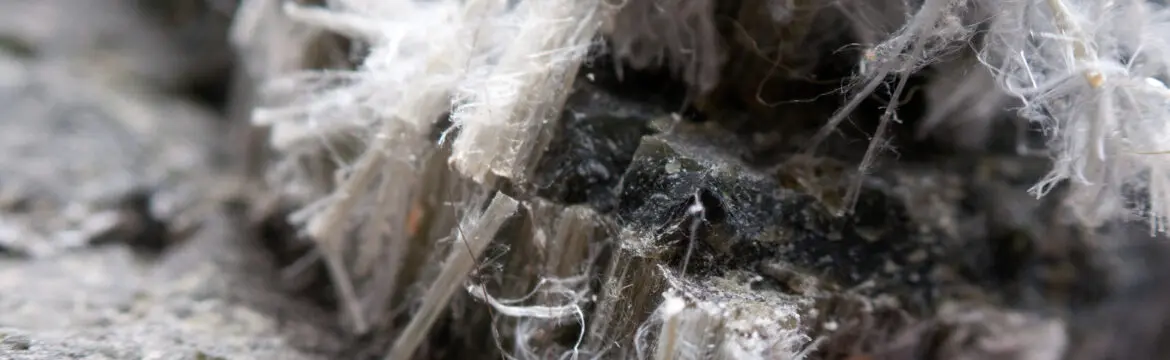
The level of risk is dependent on time and degree of exposure. Asbestos fibres are generally placed into two categories: friable and non-friable. Friable asbestos, also known as class A asbestos, is the most hazardous material. You can crumble or break it with little pressure, reducing it to a powder. If this happens in your home, you must take immediate action. Friable asbestos is more likely to release airborne asbestos fibres when disturbed. Examples of friable asbestos-containing materials include sprayed-on insulation, pipe, and ceiling tiles. People see friable asbestos as more hazardous than non-friable asbestos. This is because it releases asbestos fibres into the air, which people can inhale. Inhaling asbestos fibres is very risky. It can cause lung diseases and various cancers, such as mesothelioma. Due to the increased risk of fibre release, strict regulations and guidelines govern the handling, removal, and disposal of friable asbestos-containing materials.Health Risks
Over time and in larger quantities, this led to many health problems, such as lung cancer, Asbestosis, and Mesothelioma. Mesothelioma is a rare and aggressive form of cancer that primarily affects the lining of the lungs and other organs. A national ban on all forms of asbestos occurred on 31 December 2003. The ban includes a prohibition on work involving asbestos or ACM in workplaces. It aims to reduce health risks.